
The volunteer market represents the ecosystem where community needs meet willing hands and hearts, and preparation makes all the difference in serving effectively. At MarketMobile, orientation programs equip volunteers with the practical skills, cultural awareness, and trauma-informed approaches necessary to engage respectfully with vulnerable neighbors facing food insecurity, housing instability, or recovery challenges. Understanding this landscape before you step into service protects both you and the people you’re called to serve.
Many people arrive eager to help but unprepared for the realities of frontline service. Meeting someone in crisis requires more than good intentions. It demands boundaries, active listening skills, and the humility to recognize that you’re entering someone’s story, not fixing it. Orientation bridges that gap, transforming compassion into competent action.
MarketMobile’s approach centers on dignity and relationship. Volunteers learn to see each person not as a problem to solve but as a neighbor with inherent worth. This perspective shift changes everything. Instead of offering pity, you offer presence. Instead of rushing to advise, you learn when to simply listen and when to connect someone with resources.
The volunteer market thrives when people show up trained, committed, and grounded in the understanding that service is about walking alongside others during difficult seasons. Faith calls us to love our neighbors, and proper preparation ensures that love translates into meaningful, lasting impact. Whether you have two hours a month or two days a week, orientation gives you the foundation to serve with confidence and compassion.
Understanding the Volunteer Market in Community Service
The volunteer market isn’t a physical place or a formal exchange, it’s the living intersection where people willing to serve meet communities in genuine need. Think of it as the space where someone’s Tuesday evening availability connects with a family’s hunger, or where a retiree’s listening ear meets someone’s desperate need to be heard without judgment. Organizations serving homeless and vulnerable populations operate within this market every day, working to bridge the gap between compassion and action.
MarketMobile and similar ministries function as matchmakers in this ecosystem. They identify urgent community needs, mobile food distribution routes that require hands to unload supplies, shelter operations needing overnight support, recovery programs seeking mentors who understand addiction’s grip, outreach teams serving individuals living on the streets. Then they connect these needs with people whose schedules, skills, and hearts align with the work. A business professional might offer weekend morning shifts at a food pantry. Someone in long-term recovery might mentor others walking the same difficult road. A group of college students might commit to monthly hygiene kit assembly.
The beauty of a healthy volunteer market lies in its mutual benefit. Communities receive consistent, dignified service that addresses real needs rather than surface-level charity. Volunteers discover purpose, connection, and often personal transformation as they step outside their everyday routines. Organizations gain the workforce necessary to expand their reach and deepen their impact. This three-way benefit creates sustainability that sporadic, feel-good volunteering rarely achieves.
But sustainability requires more than good intentions. The volunteer market thrives when organizations invest in preparation, support, and ongoing relationship with their volunteers. Without proper orientation and training, enthusiastic helpers can burn out quickly, inadvertently harm those they aim to serve, or simply fail to show up when the need is greatest. The next section explores why that preparation matters so profoundly.
Why Volunteer Orientation Programs Matter
Walking into a shelter or mobile pantry for the first time can feel overwhelming. The needs are real, the stories are heavy, and without proper preparation, even the most compassionate person can feel paralyzed by uncertainty. Should you make eye contact? How do you respond when someone shares trauma? What if you say the wrong thing? This is precisely why structured orientation programs aren’t optional extras, they’re the foundation that makes meaningful service possible.
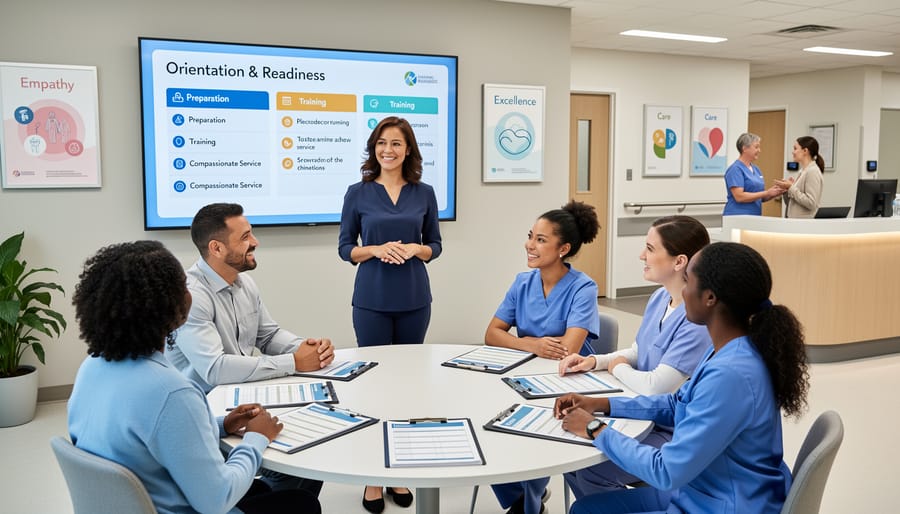
Quality orientation builds the confidence volunteers need to show up consistently and effectively. Rather than learning through trial and error in emotionally charged situations, volunteers receive clear guidance on what to expect, how to respond with dignity, and where their role begins and ends. This preparation transforms nervous uncertainty into grounded readiness, allowing volunteers to focus on the person in front of them rather than second-guessing every interaction.
Setting healthy boundaries protects everyone involved. Orientation teaches volunteers how to offer compassion without creating dependency, how to listen deeply without taking on others’ trauma as their own, and when to involve professional staff rather than attempting to solve complex problems alone. These boundaries aren’t walls, they’re the framework that makes sustainable, long-term service possible instead of burning out after a few intense encounters.
Trauma-informed approaches fundamentally change how volunteers engage with vulnerable populations. Understanding that many individuals experiencing homelessness have survived significant trauma, whether from childhood abuse, domestic violence, combat, or the violence of street life itself, helps volunteers recognize that behaviors that might seem confusing or frustrating often represent survival mechanisms. Orientation teaches how to offer dignity and choice rather than inadvertently re-traumatizing someone through controlling or judgmental approaches.
The complex realities behind homelessness, addiction, and mental health struggles deserve more than surface-level understanding. Orientation introduces volunteers to the systemic factors, generational poverty, lack of affordable housing, inadequate mental health care, the cycle of incarceration, that create and perpetuate vulnerability. This broader perspective helps volunteers see each person’s full humanity rather than reducing them to their current circumstances.
Preparation honors both the volunteer and the person receiving services. It says your willingness to serve matters enough to equip you properly, and the people you’ll serve deserve someone who approaches them with understanding rather than pity, with competence rather than confusion. That mutual respect transforms the entire volunteer experience from uncomfortable charity into genuine relationship.
What MarketMobile’s Orientation Approach Teaches Us
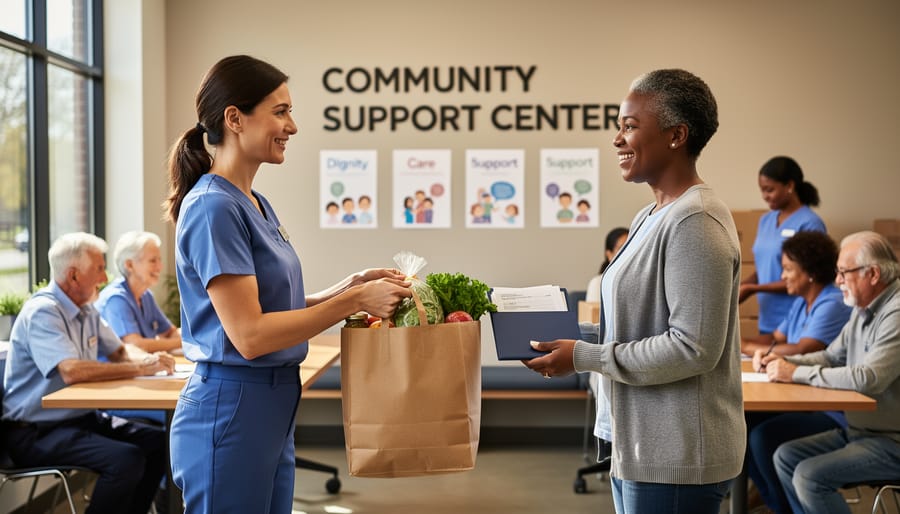
MarketMobile’s orientation philosophy rests on a simple but profound conviction: every person walking through those mobile pantry doors bears the image of God, regardless of their current circumstances. This foundation shapes how volunteers learn to serve, not as rescuers swooping in to fix broken people, but as fellow human beings extending dignity and care.
The orientation process begins by dismantling common stereotypes about homelessness and addiction. Rather than viewing these struggles as moral failures or simple choices, volunteers learn about the complex web of factors that often lead to crisis, childhood trauma, untreated mental illness, job loss, medical bankruptcy, domestic violence, and systemic barriers that make it nearly impossible to climb out once you’re down. Understanding these realities shifts the volunteer’s internal posture from judgment to compassion.
When we serve with genuine compassion, we discover Christ not only in our own hearts but in the faces of those we encounter, and both lives are transformed through that sacred connection.
This Christ-centered approach emphasizes presence over preaching. Volunteers learn that a warm smile, respectful conversation, and unhurried attention often minister more powerfully than any sermon. The orientation makes clear that while MarketMobile operates from Christian conviction, services are offered to everyone without discrimination or requirement to embrace any particular faith. Love is the requirement, not religious conformity.
Practical elements matter too. Orientation teaches volunteers how to interact with individuals experiencing active addiction or mental health crises, staying calm, setting appropriate boundaries, knowing when to involve trained staff. It prepares them for the emotional weight of hearing difficult stories and offers strategies for self-care that prevent burnout.
Perhaps most importantly, the training reframes what success looks like. Volunteers learn that transformation rarely happens in a single interaction. Providing consistent, dignified care, week after week, without demanding immediate change, creates the safe foundation where healing becomes possible. Sometimes the victory is simply that someone showed up, ate a warm meal, and felt seen as a person rather than a problem. That matters more than volunteers initially realize, and orientation helps them embrace that patient, humble approach to service.
The Real Impact on Volunteers and Community
When volunteers step into service with proper preparation, something remarkable unfolds. They don’t just show up, they connect. That connection creates transformation that radiates outward, touching lives in ways that extend far beyond a single meal served or conversation shared.
Personal transformation begins almost immediately for many volunteers. People who once felt uncertain about their ability to make a difference discover strengths they didn’t know they possessed. They develop deeper empathy as they encounter stories that challenge their assumptions. They learn to listen without fixing, to offer dignity without pity, and to recognize that the person receiving help today might be the one offering it tomorrow. This shift in perspective doesn’t just change how volunteers serve, it changes how they move through the world, how they view their neighbors, and how they understand their own blessings and struggles.
Organizations that invest in quality orientation see volunteers return month after month, year after year. When people feel equipped rather than overwhelmed, when they understand what to expect and how to respond, service becomes sustainable rather than draining. They’re less likely to burn out or walk away feeling defeated because preparation gave them realistic expectations and practical tools. This continuity matters enormously for the people being served, who benefit from familiar faces and consistent relationships rather than a revolving door of well-meaning strangers.
The community itself grows stronger when volunteers and those they serve both experience dignity in the exchange. Neighbors begin to see one another more clearly. Stereotypes soften. Isolation decreases. When someone experiencing homelessness encounters a volunteer who truly sees them as a person, not a problem or a project, hope takes root. That hope can become the foundation for taking the next step toward stability, whether that’s accepting mental health support, entering recovery, or simply believing that change might be possible.
This ripple effect multiplies across families, neighborhoods, and entire communities as compassion becomes contagious and service becomes a shared calling rather than someone else’s responsibility.
Finding Your Place in the Volunteer Market
Finding where you fit in volunteer service starts with honest reflection about your strengths, availability, and emotional capacity. Some people thrive in direct interaction, serving meals, listening to stories, walking alongside someone through recovery. Others contribute powerfully behind the scenes, organizing donations, managing logistics, handling administrative tasks that free frontline volunteers to focus on relationships. Both matter equally, and recognizing your natural wiring prevents burnout while maximizing your impact.
Consider these questions as you explore where you might serve:
- What activities energize rather than drain me?
- Do I prefer structured tasks or flexible, relational work?
- How much time can I realistically commit each week or month?
- What life experiences have prepared me to understand specific struggles?
- Am I drawn to working with individuals, groups, or systems?
Quality orientation programs signal their commitment through transparency about expectations, thorough training on trauma-informed approaches, and ongoing support structures. When you contact an organization, ask about their volunteer preparation process, the typical time commitment for different roles, how they support volunteers emotionally and spiritually, and what boundaries they help establish. Organizations that invest in orientation typically provide clearer role definitions, regular check-ins with coordinators, and communities of practice where volunteers encourage one another.
Sustainability comes from starting small and building gradually. Many people jump in with grand commitments, then feel overwhelmed when reality hits. Better to begin with a single shift monthly and expand as you gain confidence. Connect with experienced volunteers who can mentor you through the learning curve. Establish rhythms for processing what you encounter, whether through prayer, journaling, or conversations with trusted friends. Remember that stepping back to recharge doesn’t mean failure; it means wisdom. The volunteer market needs people who stay engaged for years, not months, and that longevity comes from pacing yourself with realistic expectations and grace for your limitations.
The volunteer market flourishes when preparation meets compassion. Throughout this article, we’ve explored how structured orientation transforms well-meaning intentions into sustainable, dignified service that honors both volunteers and those they serve. Organizations that invest in thorough training create volunteers who stay engaged, understand boundaries, and approach each person with the respect they deserve. When individuals respond with open hearts and willingness to learn, they discover that serving others becomes one of life’s most meaningful experiences.
If you’ve felt a stirring to serve your community, consider taking the next step. Reach out to MarketMobile or similar organizations in your area to learn about orientation opportunities. Attend an information session. Ask questions about how your unique gifts might meet real needs. Even spending time in prayer about how you might serve can be the beginning of something beautiful.
Communities transform when compassion meets preparation. When volunteers arrive equipped with understanding, when they see beyond circumstances to the person created in God’s image, when they offer dignity alongside practical help, that’s when real change happens. The volunteer market needs people willing to learn, to grow, and to serve with humility. It needs hearts that reflect the love of Jesus in tangible, everyday ways.
Your community is waiting. The need is real, the work is meaningful, and proper preparation will equip you to make a lasting difference. Step forward with confidence, knowing that your willingness to serve, combined with quality training, can bring hope to someone who desperately needs it.